Heart & Vascular

Full-Service

Facility

As Lubbock's only full-service cardio outpatient clinic, we put your treatment and clinical visits all under one roof.

Slide 1
Slide 2
Slide 3
Slide 2
Slide 2
Slide 3

One Stop

Cardiac, Peripheral, & Vascular Care

Your healthcare experience is our top priority. We have made it easier than ever for you to access the superior care you need all in one place.

clinical Clinic Services

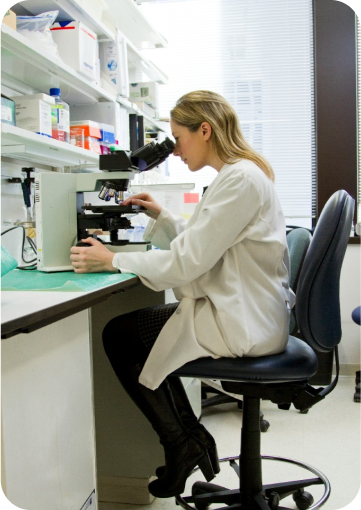
icon-blood Laboratory Services

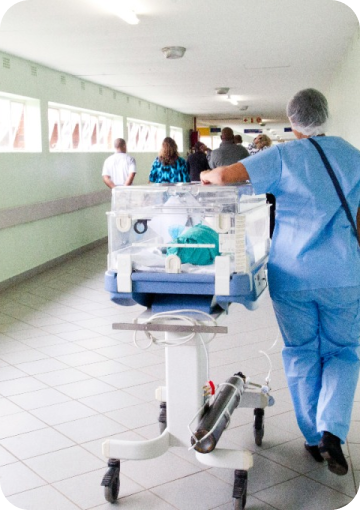
icon-health-1 Hospital Services

icon-eyedrop Diagnostic Testing & Imaging

icon-heart Catheterization Lab

icon-heart Vein Ablation

Leading the way

Cardiac Wellness & Prevention Services

Routine Blood Work 

Many problems can be diagnosed before symptoms emerge. Routine testing is an excellent way to maintain or improve your quality of life. 

Lipids or cholesterol check

In a lipid blood test, we check your total cholesterol, HDL or good cholesterol, and LDL or bad cholesterol. We also check your Triglyceride levels, which is helpful for identifying many problems. 

Monitor medication

We can help measure the safety and effectiveness of your medications. By examining your medications, we can help prevent harmful interactions and encourage positive results. 

AAA (abdominal aortic aneurysm) screening

An abdominal aortic aneurysm affects the aorta, the largest blood vessel in the body. This dangerous condition often presents no symptoms, so those at risk should be screened for AAA. 

Learn to prevent peripheral vascular disease

Healthy lifestyle choices, such as stopping smoking, increasing physical activity, and improving your diet, can often prevent peripheral vascular disease. Our team will help you identify and implement these positive changes.

Exercise and diet for cardiac wellness

Diet and exercise are two of the most important factors in keeping your heart healthy. We understand that reaching healthy goals is challenging, which is why we’re here to help. We’ll assist you in creating a realistic plan to achieve a longer, more enjoyable life.

24-hour holter monitoring

An EKG test allows your doctor to monitor your heart for a short period of time in a medical setting. Many conditions come and go, so a different type of test is necessary. A Holter monitor is a small device you carry with you, usually for 24-48 hours. It uses small adhesive pads to monitor your heart rate during everyday life. The monitoring is painless, and it will provide your doctor with valuable information about your heart.

Most Common

Ailments Treated

High blood pressure (each item expands to say more)

High blood pressure or hypertension refers to unusual pressure in the arteries. This is extremely common in adults and treatable. Left untreated, high blood pressure can lead to more serious problems. Those suffering from high blood pressure often exhibit no symptoms, so it’s important to periodically have your blood pressure measured.

Peripheral vascular disease

Peripheral vascular disease is a broad term referring to problems involving blood vessels outside the brain. One form of peripheral vascular disease is peripheral artery disease, when deposits in arteries cause them to narrow, possibly leading to stroke and other serious problems. Symptoms include pain in the arms or legs during exercise and numbness in the limbs. When the condition is more serious, pain will be felt in the legs while at rest, and circulation may be lost in the hands or feet.

Arterial disease (atherosclerosis and atherostenosis) 

Atherosclerosis or atherostenosis refers to hardening of the arteries, caused by the buildup of plaque. This condition can lead to problems like heart disease and chronic kidney disease. Left untreated, it can even cause a heart attack or stroke. Atherosclerosis often has no symptoms, but early warning signs might include chest pain and pain or numbness in the arms or legs.

Deep vein thrombosis

Venous thromboembolism (VTE) occurs when a blood clot forms in a vein. One type of VTE is deep vein thrombosis, where the clot forms in a large vein, like in the leg or arm. These blood clots are a major cause of heart attack and stroke. 

High cholesterol

The body needs cholesterol but too much low-density lipoprotein (LDL cholesterol) is unhealthy. High cholesterol can cause arterial disease. Fortunately, we can help you with lifestyle changes to reach healthy cholesterol levels.

Hyperlipidemia

Hyperlipidemia is a condition where there is an unhealthy level of lipids (fats) in the blood. This includes high cholesterol and high triglycerides. These conditions cause plaque to build up in the arteries, leading to hardening and narrowing.

Heart disease and associated symptoms

Heart disease is a blanket term for conditions affecting the heart. This includes abnormal heartbeat, problems in blood vessels, or anything else that causes the heart not to function as it should. In general, you should see a doctor if you experience chest pain, shortness of breath, or fainting.